
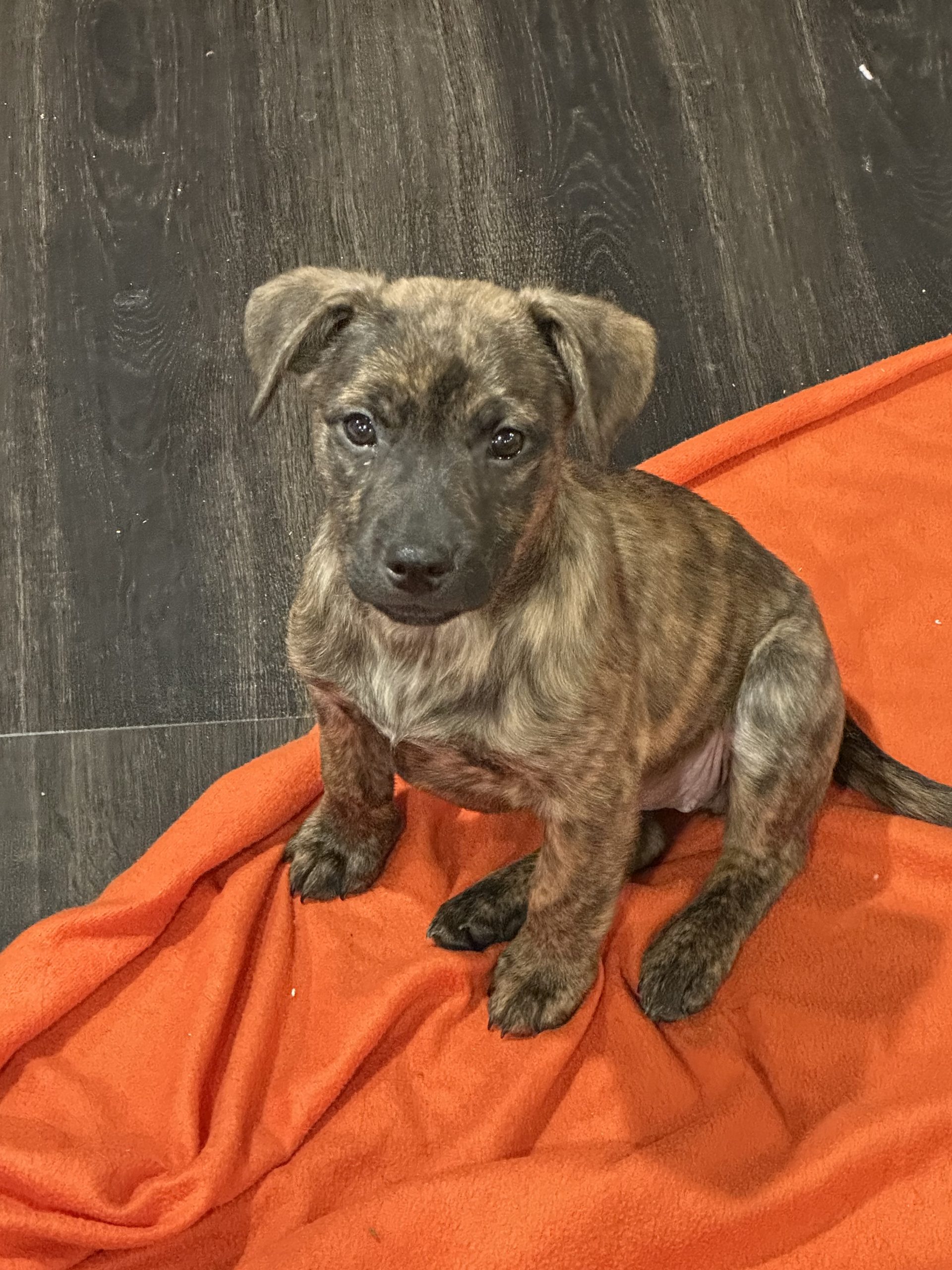
A – American Bulldog
-
The American Bulldog can jump in excess of 3 feet vertically due to their solid, muscular build
B – Basenij
-
The Basenji dog doesn’t tend to bark, instead they are known to yodel, whine or scream.
C – Catahoula Leopard Dog
-
They can climb trees, which is great for hunting or if you get your Frisbee stuck on a branch.
D – Doberman
-
It took more than two dogs to create the Doberman. The German Shorthaired Pointer, Rottweiler, Weimaraner, Manchester Terrier, Great Dane, Beauceron, Black and Tan Terrier, and Greyhound are all part of this dog breed.
E – Eurasier
-
Self-assured, calm, and even-tempered, Eurasiers are devoted to their owners and thrive on affection and attention. In fact, nothing would make them happier than living in a household where someone is home all day. They should never be chained up outside or left alone. This breed is great with children—especially when raised in a family setting—and other dogs. Eurasiers can be wary of strangers, but they aren’t aggressive and don’t make good guard dogs.
F – Finnish Lapphund
-
Originally used to hunt reindeer, through societal change of their handlers, they evolved to herd instead of hunt, all while retaining their duties as hunting dogs, guarders, and close companions to their humans.
G – Great Pyrenees
-
Fossils of Great Pyrenees that date to the Bronze Age have been discovered. It’s believed that the Great Pyrenees evolved from a type of white mountain dog that existed as far back as 11,000 years ago
H – Harrier
-
Known as a “chatty” breed, Harriers are often associated with their lovely singing voices
I – Irish Wolfhound
-
Symbol of Ireland: Irish Wolfhounds hold a special place in Irish culture and history. They are considered a national symbol of Ireland and are often depicted in Irish folklore, artwork, and literature.
J – Jagdterrier
-
Did you know this breed’s name is pronounced “Yack Terrier”
K- Komondor
-
Komondors’ coats protect them from predators, weather, and vegetation. Their coats also allow them to blend in with their charges during the day and be easily seen by the shepherd at night. Also did you know the plural of Komondor is Komondorok!
L – Löwchen
-
Also referred to as the Little Lion Dog, this breed cam dangerously close to extinction around World War II, and in the 1970s, only 65 individuals remained. Today, there are fewer than a few hundred new registrations each year worldwide
M – Mastiff
-
Mastiffs don’t bark for attention or to get their needs met, but they are excellent at communicating with their eyes. Mastiffs can often tell you how they’re feeling emotionally through their eyes, you just need to notice.
N – Norwegian Lundehund
-
Lundehund’s can climb rocks and steep cliffs, can wiggle and fold his ears shut, has six toes and paw pads for balance, and can even turn his head upside down, or even bend backward and touch their spine.
O – Old Danish Pointer
-
This breed requires a lot of exercise because it is a purebred hunting dog. A single daily walk is insufficient. On the other hand, varied training and plenty of exercise is the way to go. The dog is usually happy and eager to learn, which means that if you do not engage it, it will quickly become bored.
P – Portuguese Water Dog
-
Did you know they have webbed feet? Portuguese Water Dogs also have waterproof coats, making it easy to maneuver in the water and swim all day.
Q – Queensland Heeler
-
More commonly known as the Australian Cattle Dog, Blue Heelers, Red Heelers; these dogs get their many names from the fact that they nip at the heels of cattle. Other names refer to the coat color and the area where they hail from.
R – Rottweiler
-
They LOVE to have a job, more than simply guarding their home and family. Because they are smart, tireless, and eager to please, Rottweilers can be service dogs, therapy dogs, obedience competitors, guide dogs, customs inspectors, drafting and carting dogs, and of course, devoted companions.
S – Shar-Pei
-
Shar-Pei have favorite people! A puppies, they love any person who gives them a bit of attention, but as they grow up and are able to differentiate between their family members and strangers, they can become quite standoffish to people they don’t see regularly
T- Taigan
-
Developed for extreme environments, Taigans can live in areas up to 2,000–4,000 meters above sea level. Hunters often use them to hunt ibex, roe deer, foxes, badgers, and wolves. And sometimes they even work in coordination with trained birds of prey, such as the Golden Eagle.
U – Utonagan
-
While they are a relatively newer breed, originating in the 1980’s, the Utonagan was specifically bred to resemble a wolf but with a domesticated and approachable demeanor.
V – Västgötaspets
Also known as Swedish Vallhund, this breed is friendly, energetic, and intelligent. Among those traits, it is additionally noted to be very vocal, using a language of barks, howls, and yips called “argle bargle”
X – Xoloitzcuintli
-
Also called the Mexican Hairless Dog, are known to be quite clingy. They are loyal and loving, and in need of constant human contact.
Y – Yorkipoo
-
They inherited their human-like hair from their Yorkie parents so they rarely shed, making them a good choice for allergy-prone humans. Other names for Yorkie poos may include: Yoodle, Yorkappo, or a Yorkiedoodle
Z – Zwergpinscher
-
More commonly called the Miniature Pinscher, Zwergpinscher make great watch dogs due to their fearless nature and intelligence. They can be very possessive of their family members and will alert their owners to any unusual activity.