
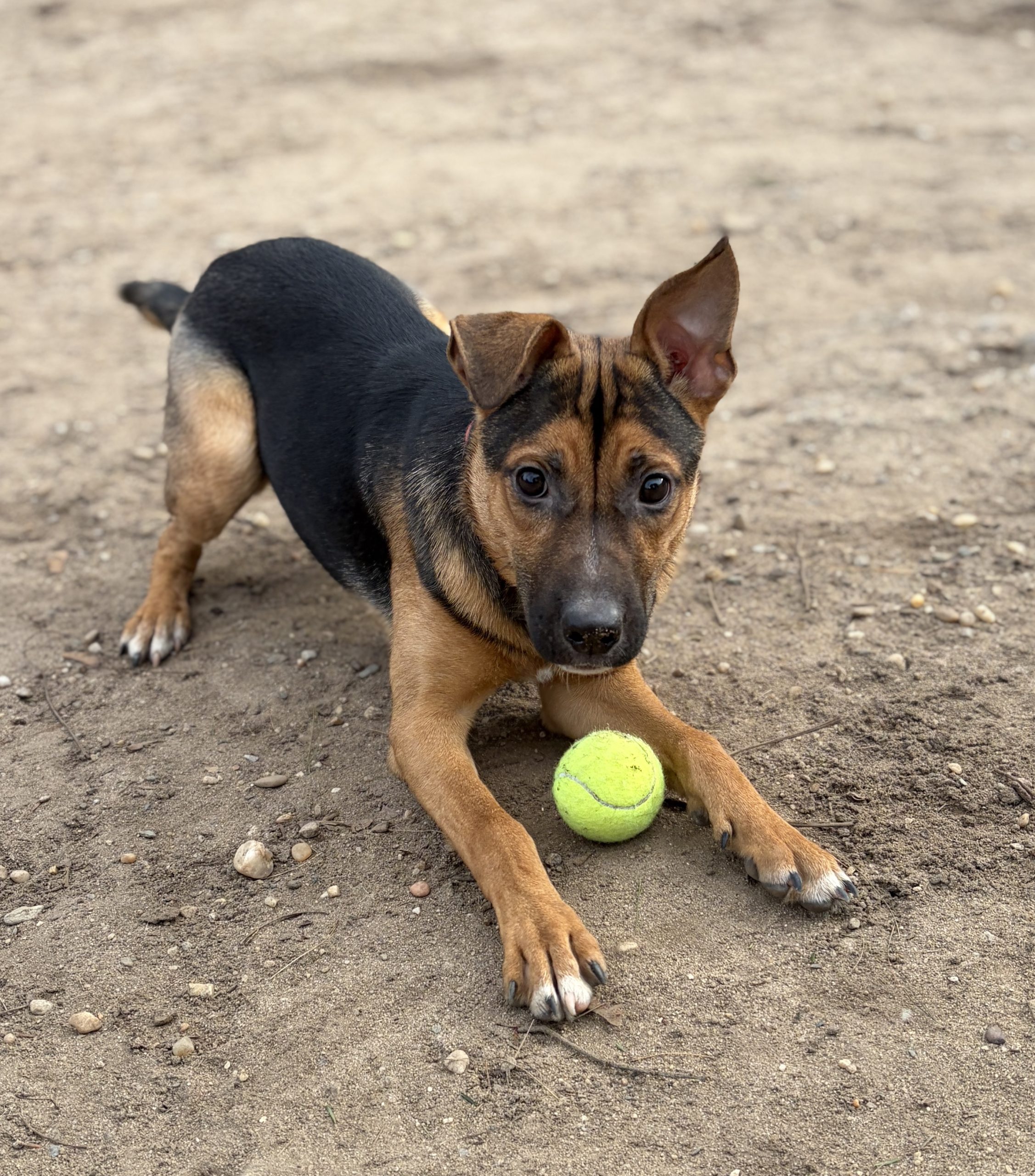
Today, April 22 is National Parvo Awareness Day, so let’s talk about few things that as a pet owner its important to know.
What is Parvovirus?
Parvo is a highly contagious gastrointestinal infection that spreads via direct contact with infected dogs, contact with feces (stool) from infected dogs, or contact with virus-contaminated surfaces.
“There is a cultural debate brewing across American communities today around scooping dog poop, but did you know poop can actually be deadly to dogs? Just one sniff or lick can lead to the potentially fatal canine parvovirus (parvo). Parvo is one of the most contagious and deadly viruses for dogs and puppies, and it is directly linked to dog poop. Sadly, research shows only 44% of dog owners know what parvo is, with 20% having no knowledge of the disease1 — presenting a huge education gap and opportunity to spread greater awareness.”
What are some signs?
The signs of symptoms of parvo infection include lethargy, loss of appetite, vomiting, bloody diarrhea, abdominal pain, and fever.
How do we diagnose and treat it?
Fecal testing can confirm the diagnosis. Dogs with severe infection need immediate, intensive treatment and 24/7 monitoring — which often involves several days of hospitalization and supportive care.
How to protect puppies from canine parvovirus
-
Beware of the poop – Parvo is spread through an infected dog’s feces, so it’s important to keep your dog away from other dogs’ feces.
-
Observe your dog – If they have any of the signs and symptoms of parvo, such as vomiting, diarrhea or lethargy, call your veterinarian and get them checked.
-
Consult your Veterinarian – If your pup tests positive for parvo, reach our to your vet for a medically advised treatment plan.
*** It’s important to note that if your pup has tested positive but is in recovery and doing well, they are still contagious. Parvo virus can survive in the environment, including indoors, for several months, potentially up to 6 months or even longer. It’s highly resistant to cleaning and disinfecting, except for certain bleach-based products, according to one source. Infected dogs can shed the virus in their feces for up to 14 days after symptoms appear, and shedding can persist for several weeks. That being said, even if your pup is safe and in the clear, continue the cleaning regiment you used while they were newly infected until well after they get better to ensure a safe recovery and eliminate any future occurrences.
 Edit Image
If you don’t have a cleaning regiment, but would like one, here’s a few steps on cleaning a parvo-positive home – remember, this can continue to be used after your pup is feeling better as well:
To effectively clean for parvo, use a virucidal disinfectant like diluted bleach (1 part bleach to 30 parts water) or accelerated hydrogen peroxide. Remove all organic matter before disinfecting, and allow surfaces to remain wet with the disinfectant for at least 10-15 minutes. Wash your hands thoroughly after cleaning
-
Remove Organic Matter: Before disinfecting, remove all visible feces, vomit, and other organic material from the area.
-
Choose an Effective Disinfectant:
-
Bleach: Mix 1 part bleach to 30 parts water. Ensure surfaces are in contact with the solution for at least 10-15 minutes before rinsing thoroughly.
-
Accelerated Hydrogen Peroxide (AHP): This disinfectant is effective even in the presence of organic material and is a good option for porous surfaces.
-
Other Disinfectants: Potassium peroxymonosulfate disinfectants can also be effective.
3. Apply Disinfectant: Apply the chosen disinfectant to all surfaces your dog will come into contact with, including floors, walls, and objects.
4. Allow Contact Time: Let the disinfectant remain on the surfaces for the recommended contact time, typically 10-15 minutes.
5. Rinse and Dry: Rinse surfaces thoroughly with water and allow them to air dry.
6. Laundry: Wash all bedding, clothing, and towels in hot water with a detergent containing bleach.
7. Wash Hands: Wash your hands thoroughly with soap and water after cleaning.
8. Repeat: Repeat the cleaning and disinfecting process as needed, especially in high-traffic areas.
Edit Image
Important Considerations:
-
Parvovirus can survive for a long time in the environment, making thorough cleaning and disinfection crucial.
-
Avoid using quaternary ammonium compounds, as they have not been proven effective against parvovirus.
-
If possible, throw away and replace contaminated items that cannot be thoroughly cleaned.